




Year of the Rooster
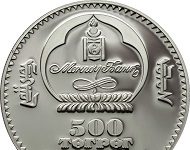
For Mongolia, Coin Invest Trust has designed a coin to commemorate the Year of the Rooster. The silver edition is limited to 2017 pieces and its handmade HiCarv element rises particularly high from the coin field.
British Pobjoy Mint releases 2017 Titanium Blue Whale
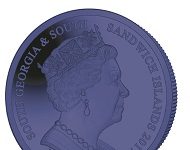
On behalf of the South Georgia and The Sandwich Islands Government, Pobjoy Mint releases the 2017 issue of the Blue Whale made of blue titanium and featuring a new effigy design of Her Majesty Queen Elizabeth II.
Arsantiqva by Moruzzi
MA-Shops is a platform for dealers of collectible items offering over 700,000 items. The new Italian shop Arsantiqva at MA-Shops is the international brand of Moruzzi Numismatica from Rome.
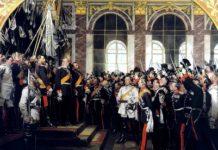
Why Germany has Five State-Owned Mints
Many a coin collector is wondering why France and Great Britain own one mint, while Germany has five state-owned mints at its disposal. Why Germany does so and why it will probable continue to have them for a while, is summarised in this article.

Mennica Polska
The Mint of Poland is one of the few cases in which a state-owned enterprise has been successfully converted into a private company. At present, the Mennica Polska is a stock company, of which the Polish state no longer holds any shares.

Our Cartoon: Franklin’s World
Philologist, numismatist and cartoonist Claire Franklin provides insight into her daily thoughts. Recently, at the World Money Fair in Berlin ...

The rise and fall of a private mint: the Birmingham Mint
It is not a law of nature that the production of coins must be in the hands of the state. The private Birmingham Mint was the world’s leading supplier of small change in the 19th cent. It went bankrupt, when, in 2001, the Royal Mint cancelled a secret contract.

The End of the Danish Mint
In 2016 the Royal Danish Mint was closed without any detailed public debate. This meant the end of a tradition dating back more than a millennium. Does the fate of the Danish Mint serve as an example for the fact that national mints have outlived their usefulness for cost reasons?

The Privatisation Disaster of the German Bundesdruckerei
The privatisation of state-owned companies may unburden a state. Mind you, may, but does not have to. Because when a privatisation is implemented as ill-considered as in the case of the German Federal Printing Office, significant damage to the taxpayers can be done.

A Quasi Unregulated Market?
In this article, Daniel Sheffer wonders whether there is need for legal regulations in order to guarantee a fair competition between state-owned monopoly holders and private enterprises.