




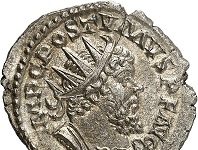
A new type for an antoninianus of Postumus
In Jacquier sale 43, to be held on September 15, 2017, a hitherto unknown and unique antoninianus of Postumus will be offered. Both its date and its historical context can be pinpointed due to its special bust.
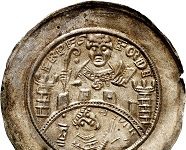
The Coins of Medieval Mainz
On 21 March 2018 auction house Künker will auction off the Dr. Michael and Dr. Adelheid Loos collection of coins and medals from Mainz. This presents a great opportunity to tell the story of the city in medieval times based on the coins.

The Casa Savoia – A Noble Family between Italy, France, and Switzerland Part 1
Auction house Gadoury will auction off an extensive collection Casa Savoia originating from the possessions of a gentleman of the royal family. In the first article of the three-part series you will learn more about how the counts of Savoy rose from a minor noble family to being protagonists of European politics.

The coins of Philipp II of Macedonia
Philipp II ranges amongst the most important rulers of Antiquity. He transformed the small and endangered Macedonia into one of the most powerful kingdoms of the Ancient world. His coins circulated in all of Greece and bought him what he needed - loyalty, politicians, mercenary soldiers...
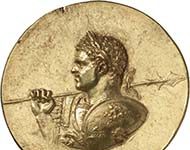
A fan of Alexander the Great
Many Roman politicians adored the conquerer of the world, Alexander the Great. The emperor Caracalla was no exception...
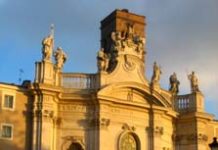
Helena, the First Christian Pilgrim
Inspired by a visit of the church of Santa Croce. David Hendin recalls to us the story of Helena, mother of Constantine, a "rags to riches" story, which ends with the first Christian pilgrim establishing the tradition of pilgrimage to the Holy Land and bringing to Rome pieces of the True Cross...
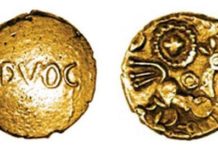
Unique gold coin of Bodvoc found
On 16 April 2012 a 2000-year-old gold quarter stater of the ancient British ruler Bodvoc was discovered near Bristol. It was found by Dennis who has been metal detecting for 33 of his 53 years and it can rightly be described as ‘the find of a lifetime’ because of its numismatic importance.
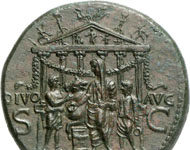
Gods Unto Themselves? Augustus and Caligula
The image of the Temple of Augustus on the sestertii of Caligula is among the most beautiful architectural motifs found on Roman coins. In its upcoming auction, Numismatica Genevensis is offering the finest known specimen of this fascinating issue.
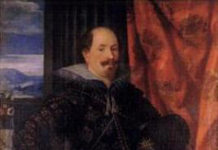
The Whore of Babylon – or: Religious Tolerance prior to the Thirty Years’ War
The coming Künker sale of February 6, 2014, is offering a so-called “biblical thaler”. This piece is a wonderful testimony to the political attitude of a contemporary of the Thirty Year’s War. Here you will find the story behind this remarkable coin.

Virginia City – Where monetary history was written…
Do you believe, too, that precious metal always retains its value? Well, then you better accompany us to Virginia City, where, in the Comstock Lode, so much silver was found that the silver standard was rendered obsolete.